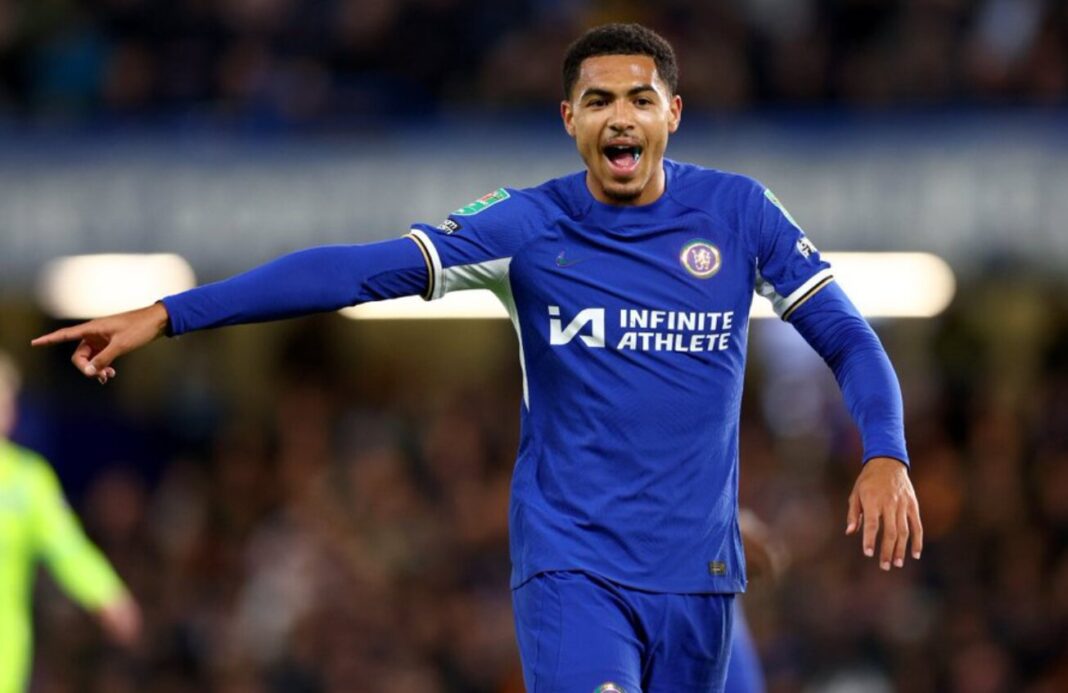
Liverpool FC started brightly, faded gradually, and ultimately left the pitch to a chorus of frustration after being held to a 1-1 draw by Chelsea FC in a tense encounter that revealed both promise and growing tension around Arne Slot’s side.
Anfield erupted inside six minutes when Ryan Gravenberch fired Liverpool ahead following excellent work from highly rated youngster Rio Ngumoha. For a brief period, the hosts looked sharp, aggressive, and full of attacking rhythm.
But the game slowly shifted.
Chelsea settled impressively after the early setback, controlling larger stretches of midfield as the match progressed before Enzo Fernandez produced a superb free-kick equalizer in the 35th minute to level the contest.
By full-time, the scoreline felt secondary to the atmosphere surrounding Liverpool.
Supporters voiced clear frustration after Slot decided to substitute Ngumoha, with boos echoing around the stadium as tensions grew during another emotionally charged afternoon at Anfield.
Ngumoha Ignites Liverpool Early
Liverpool could hardly have imagined a better opening.
The breakthrough came almost immediately through Gravenberch, whose composed finish capped off a lively attacking move created by Ngumoha’s fearless running down the flank. The teenager played with confidence well beyond his years, repeatedly driving at Chelsea defenders and injecting urgency into Liverpool’s attack.
For the opening half-hour, he was arguably the most exciting player on the pitch.
Every touch lifted the crowd. Every forward run carried danger.
The chemistry between Ngumoha and Liverpool’s midfield also gave glimpses of the dynamic, vertical football supporters have been craving under Slot. Quick combinations, aggressive pressing, and direct transitions briefly overwhelmed Chelsea before the visitors slowly regained control.
Yet even during Liverpool’s strongest spell, there was a feeling the match remained fragile.
Chelsea were absorbing pressure without collapsing.
Enzo Fernandez Changes the Momentum
Once Chelsea settled into possession, the midfield battle began tilting noticeably in their favor.
Moises Caicedo delivered one of his most composed performances in recent weeks, disrupting Liverpool’s rhythm while helping Chelsea progress the ball calmly through pressure. Alongside him, Fernandez grew increasingly influential as the match developed.
The Argentine midfielder eventually produced the defining moment of Chelsea’s afternoon.
His free-kick in the 35th minute was struck with precision and authority, leaving Liverpool’s goalkeeper with little chance as the ball curled into the net to silence Anfield temporarily.
It was a goal that reflected Chelsea’s growing control.
More importantly, it highlighted the quality that has often made Fernandez one of the Premier League’s most technically gifted midfielders when fully confident.
After equalizing, Chelsea looked calmer and structurally stronger, while Liverpool gradually lost the sharpness that defined their opening stages.
Levi Colwill’s Return Provides Major Boost for Chelsea
Amid the draw, one of the most encouraging developments for Chelsea arrived in defense.
Levi Colwill made his first start after recovering from a serious ACL injury, and the defender showed impressive composure considering the long road back to full fitness.
There were naturally moments where rhythm and sharpness still appeared to be returning, but overall, Colwill handled the occasion maturely. His positioning improved as the match progressed, and his passing from the back helped Chelsea resist Liverpool’s pressing phases more effectively.
Recovering from ACL injuries can often become as psychological as physical, especially for young defenders expected to operate under constant pressure in high-level matches.
This performance felt like an important step forward.
Chelsea supporters will likely view his return as almost equal in significance to the result itself.
Liverpool Fans Turn on Slot Decision
The defining emotional moment of the afternoon arrived not with a goal, but with a substitution.
When Slot decided to take Ngumoha off, large sections of the Anfield crowd reacted angrily. Boos rang around the stadium as supporters made their feelings unmistakably clear.
The frustration reflected more than just disappointment over one tactical call.
Ngumoha had been Liverpool’s brightest attacking spark, and many fans felt removing him disrupted the team’s momentum at a moment when energy and unpredictability were desperately needed.
From that point onward, Liverpool’s attack noticeably lost sharpness.
Chelsea appeared increasingly comfortable defensively, while Liverpool struggled to recreate the intensity and directness that characterized the opening stages.
Post-match frustration among supporters only intensified as discussions around Slot’s in-game management began dominating conversation online and around the stadium.
Chelsea Leave With Encouragement
For Chelsea, the draw carried several positive signs.
The midfield balance between Caicedo and Fernandez looked significantly stronger than in many previous matches, while the team’s composure after conceding early suggested growing maturity under pressure.
Most importantly, they did not panic at Anfield.
Instead of allowing the atmosphere and Liverpool’s early momentum to overwhelm them, Chelsea gradually slowed the game down and imposed greater tactical control through possession and midfield discipline.
That response will likely please the coaching staff as much as the result itself.
Questions Continue Around Liverpool’s Identity
For Liverpool, however, the post-match mood felt complicated.
There were flashes of exciting attacking football, particularly through Ngumoha and Gravenberch, but the overall performance again raised questions about consistency, control, and tactical balance under Slot.
Supporters appear increasingly sensitive to decisions that interrupt attacking momentum, especially during a period where the club is still adjusting to a new managerial era following the emotional departure of Jurgen Klopp.
Comparisons are inevitable.
And at a club like Liverpool, patience is never endless.
The draw itself may not prove disastrous in isolation, but the emotional reaction afterward showed how quickly pressure can build at Anfield when performances fail to fully convince.
For Chelsea, the evening ended with optimism.
For Liverpool, it ended with noise.

