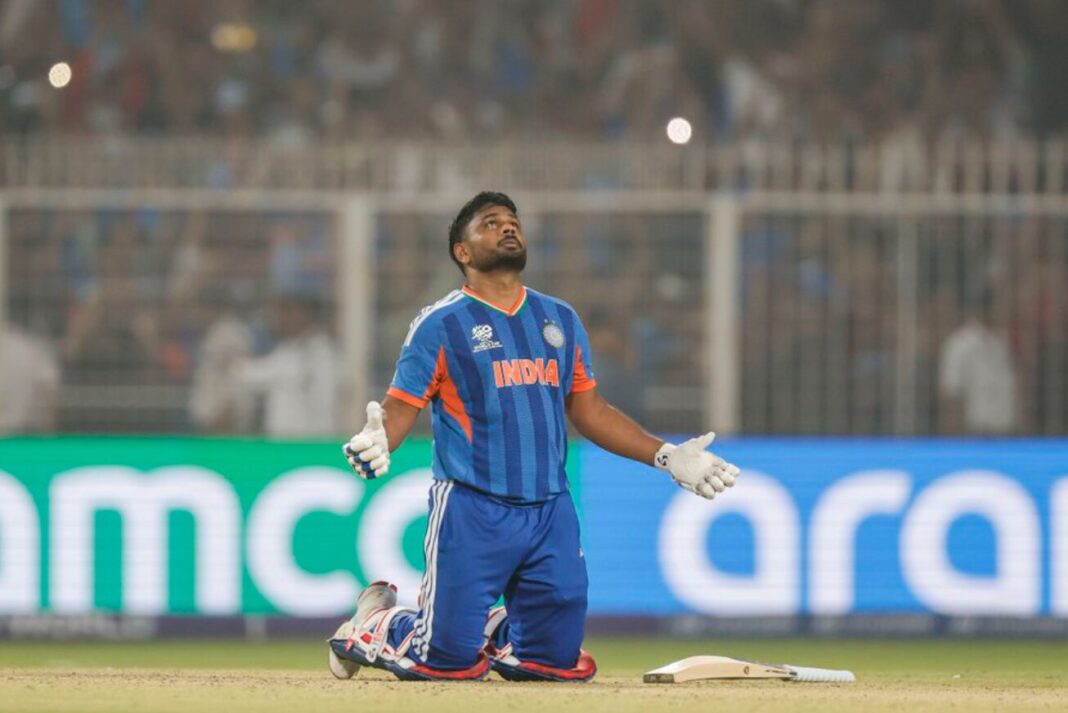
Dubai: India national cricket team have once again reaffirmed their dominance in the shortest format, retaining the top position in the latest annual ICC Men’s T20I rankings with an impressive 275 rating points. The rankings reflect a sustained period of excellence, built on consistent performances and an unbeaten run in bilateral series between their ICC Men’s T20 World Cup 2024 and ICC Men’s T20 World Cup 2026 triumphs.
India’s Consistency Sets Them Apart
What separates India from the rest of the pack is not just their peak performances in global tournaments, but their remarkable consistency across bilateral series. While many teams tend to fluctuate in form between major events, India have maintained a high standard regardless of opposition or conditions.
This consistency is a direct result of a well-balanced squad, where experienced players complement emerging talents. Players like Hardik Pandya have played a key role in shaping India’s aggressive yet controlled T20 approach, contributing both with the bat and ball while also offering leadership stability.
India’s strategy in recent years has focused on fearless cricket—maximizing powerplay scoring, maintaining depth in batting, and using versatile bowlers who can adapt to different match situations. This modern approach aligns perfectly with the evolving demands of T20 cricket.
England and Australia Keep the Pressure On
While India continue to lead, the gap is narrowing. England cricket team have climbed to 262 points, thanks to a series of strong performances that reflect their aggressive white-ball philosophy. England’s approach—centered around explosive batting and innovative tactics—has made them one of the most dangerous teams in T20 cricket.
Close behind them are the Australia national cricket team, sitting at 258 points. Australia’s strength lies in their adaptability and ability to perform under pressure, particularly in high-stakes matches. While they may not have matched India’s consistency, their match-winning capabilities keep them firmly in contention.
Bangladesh’s Rise Signals Changing Dynamics
One of the notable movements in the rankings is the rise of Bangladesh national cricket team, who have climbed to eighth position, overtaking Sri Lanka national cricket team. This shift highlights the growing competitiveness in international T20 cricket, where emerging teams are beginning to challenge traditional powerhouses.
Bangladesh’s improvement can be attributed to better squad depth, improved batting intent, and more disciplined bowling performances. Their rise is a reminder that the gap between top-tier and mid-tier teams is steadily shrinking.
Why the Top Seven Remain Unchanged
Interestingly, the top seven teams have maintained their positions, indicating a level of stability at the highest level of the game. This consistency suggests that while teams like Bangladesh are improving, breaking into the elite group requires sustained performances over a longer period.
For established teams, maintaining ranking positions is not just about winning matches—it’s about consistency across formats, conditions, and opposition. This is where India have excelled the most.
Fan Reactions Reflect India’s Dominance
The announcement of the rankings sparked widespread reactions from fans across social media platforms. Many celebrated India’s continued reign at the top, with posts hailing them as the best T20 team in the world.
Images and highlights featuring stars like Hardik Pandya further fueled the excitement, symbolizing the team’s modern identity—dynamic, fearless, and result-oriented. The fan response also reflects how deeply connected audiences are with rankings, as they serve as a measure of sustained success rather than isolated victories.
Bigger Picture: What Makes a No.1 Team?
Rankings in T20 cricket are often debated, but they offer valuable insights into long-term performance. A top-ranked team is not just one that wins tournaments—it is one that performs consistently across different scenarios.
India’s position at No.1 highlights three key factors:
- Depth in Squad: Multiple match-winners across batting and bowling.
- Adaptability: Ability to perform in varied conditions worldwide.
- Consistency: Maintaining performance levels across bilateral and global competitions.
Conclusion
India’s continued dominance in the ICC T20I rankings is a reflection of their structured approach and consistent performances over time. While England and Australia are closing in, the gap still underscores India’s superiority in the format.
As international cricket becomes more competitive, maintaining the top spot will require constant evolution. For now, however, India remain the benchmark in T20 cricket—a team others are striving to catch.
More Updates : Cricket

