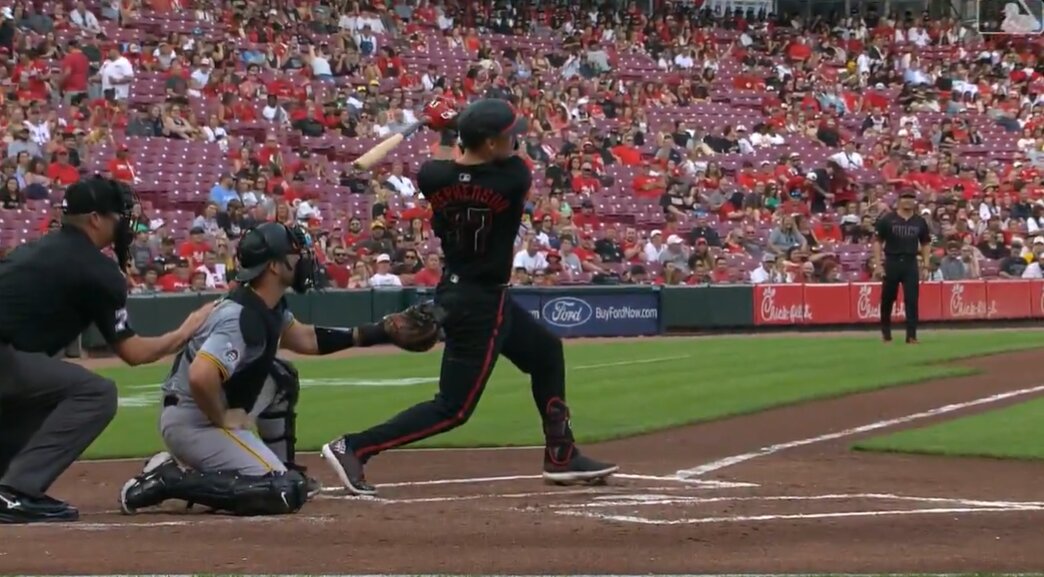
Chicago: The Diamondbacks vs Cubs matchup is shaping into a closely contested affair, with the Chicago Cubs holding a slim 2-1 lead at the end of the fifth inning against the Arizona Diamondbacks.
Coming into the game, the Cubs (19-12, 11-5 at home) looked to continue their strong run at Wrigley Field, while the Diamondbacks (16-14, 7-8 away) aimed to improve their consistency on the road. Through five innings, the contest has lived up to expectations, featuring disciplined pitching, timely hitting, and tactical adjustments from both sides.
⚾ Early Innings Set the Tone
The opening innings of the Diamondbacks vs Cubs game were defined by cautious approaches from both teams. Pitchers on either side focused on control and minimizing risks, resulting in limited scoring opportunities early on.
Arizona managed to get on the scoreboard first, capitalizing on a brief lapse in Chicago’s defensive setup. However, the Cubs responded quickly, showcasing their ability to bounce back under pressure—a trait that has been a key factor in their strong home record this season.
Chicago’s equalizer came through a well-constructed inning, combining patience at the plate with smart baserunning. This approach disrupted Arizona’s rhythm and shifted the momentum slightly in favor of the home team.
📊 Cubs Edge Ahead with Timely Execution
The difference in the game so far has been Chicago’s ability to deliver in key moments. Rather than relying on big hits, the Cubs have built their lead through:
- Smart situational hitting
- Effective use of scoring opportunities
- Consistent pressure on Arizona’s pitching
Their second run came from another controlled offensive sequence, highlighting their disciplined batting approach. While the lead remains narrow, Chicago’s efficiency has given them the upper hand.
🔍 Diamondbacks Struggle to Build Momentum
For Arizona, the biggest challenge has been maintaining offensive consistency. While they have shown flashes of quality, they have struggled to string together multiple hits in an inning.
Key issues for the Diamondbacks include:
- Difficulty in converting runners into runs
- Lack of sustained pressure on Cubs pitchers
- Missed opportunities in scoring positions
Despite these challenges, the game remains within reach, and a single strong inning could quickly change the narrative.
🧠 Pitching Battle Keeps Game Tight
Pitching has played a central role in shaping the Diamondbacks vs Cubs contest. Both teams have relied on their starters and bullpen to limit damage and keep the game competitive.
Chicago’s pitchers have done particularly well in:
- Escaping high-pressure situations
- Forcing weak contact
- Controlling the pace of the game
Arizona’s pitching, while effective in phases, has been slightly less consistent, allowing the Cubs to capitalize on small openings.
📈 What to Expect in the Later Innings
As the game moves beyond the fifth inning, strategy will become even more important. Managers will begin to make critical decisions regarding pitching changes, defensive setups, and offensive tactics.
Key factors to watch:
- Bullpen performance from both sides
- Ability to handle pressure in late innings
- Execution in clutch situations
For the Cubs, maintaining their lead will require continued discipline and smart decision-making. For the Diamondbacks, the focus will be on creating momentum and capitalizing on any mistakes.
📝 Bigger Picture: Season Implications
This Diamondbacks vs Cubs clash is more than just a single game—it reflects broader trends in both teams’ seasons.
- Chicago Cubs: Strong at home, showing consistency and composure
- Arizona Diamondbacks: Competitive but looking to improve road performances
A win here would further strengthen Chicago’s position, while Arizona would benefit significantly from turning the game around.
🏁 Conclusion
At the end of five innings, the Chicago Cubs lead 2-1, but the Diamondbacks vs Cubs game remains finely balanced. With both teams showing quality in different phases, the final outcome is far from decided.
As the game heads into the later innings, expect increased intensity, sharper execution, and potentially decisive moments that could swing the result either way.

