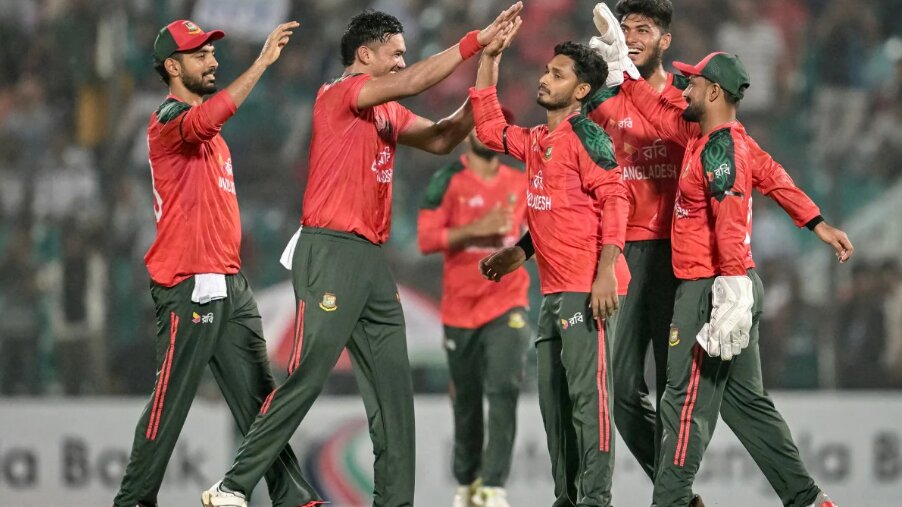
Positive diplomatic and cricketing discussions between India and Bangladesh have reportedly reopened channels to restore bilateral cricket ties, months after the controversial withdrawal of Bangladesh from the ICC T20 World Cup, a decision that continues to spark political and sporting debate.
Positive talks are currently underway between the cricket boards of India and Bangladesh to rebuild strained cricketing relations following the major fallout surrounding Bangladesh’s absence from the ICC T20 World Cup 2026 hosted under the supervision of the International Cricket Council. The controversy, which led to Bangladesh not traveling to India for the tournament, has now been revisited by former cricketers and administrators, with strong accusations emerging over political interference.
According to former Asian Cricket Council (ACC) CEO Ashraful Haque, the Bangladesh cricket system was “trapped” in political pressure and misjudged the situation, resulting in what he described as a “avoidable crisis” for Bangladeshi cricket. Haque sharply criticized the decision-making process within the Bangladesh Cricket Board, particularly targeting then-board chief Aminul Islam Bulbul.
Haque alleged that Bulbul came under pressure from then interim government Sports Advisor Asif Nazrul, a figure widely described in reports as holding strong anti-India political views during that period. According to Haque, Nazrul influenced the board’s stance during a tense political climate, which ultimately led to Bangladesh withdrawing from participation in the tournament instead of fulfilling its commitment to the ICC.
The ICC had reportedly rejected Bangladesh’s request to relocate its fixtures to Sri Lanka, insisting on maintaining the original tournament structure and host arrangements. Following this refusal, Bangladesh did not proceed with travel plans to India, effectively pulling out of one of cricket’s biggest global events.
Describing the incident, Haque stated that Aminul Islam Bulbul “walked into a trap,” suggesting that political pressure overpowered sporting priorities. He further claimed that the Bangladesh cricket leadership failed to stand firm despite the players being willing and ready to participate. In his view, the decision undermined both the players’ interests and Bangladesh’s reputation in international cricket.
“Nazrul was riding on a common anti-India feeling in Bangladesh at the time and used it as a basis for decision-making,” Haque reportedly said, adding that the withdrawal was not purely a cricketing decision but influenced heavily by external political narratives.
The fallout from the decision was significant, both diplomatically and in sporting terms. Bangladesh’s absence from the tournament raised questions about governance within its cricket administration and created a temporary freeze in bilateral cricket engagements with India. Cricket relations between the two neighboring nations have historically been competitive but commercially and diplomatically important for the region.
The controversy surrounding the T20 World Cup decision has also had lasting consequences for the leadership structure within the BCB, with Aminul Islam Bulbul later being removed from his position amid growing criticism of the board’s handling of international commitments.
However, recent developments suggest a possible reset. Cricket officials from both countries are now reportedly engaged in positive discussions aimed at restoring bilateral series and rebuilding trust. These talks are seen as a crucial step in normalizing relations after months of tension and uncertainty.
The ICC is also expected to play a supportive role in ensuring that future tournament commitments are respected and that administrative disputes do not interfere with global cricket events. With both boards showing signs of willingness to move forward, there is cautious optimism that India and Bangladesh may soon resume full cricketing ties, including bilateral series and youth-level competitions.
While the controversy continues to be debated, former players and officials like Ashraful Haque have emphasized the importance of separating politics from sport. According to him, the Bangladesh cricket system must ensure that future decisions prioritize players, international commitments, and the long-term growth of the game.
As discussions progress, the cricketing world will be closely watching whether India and Bangladesh can put the T20 World Cup fallout behind them and restore one of South Asia’s most followed sporting rivalries.

