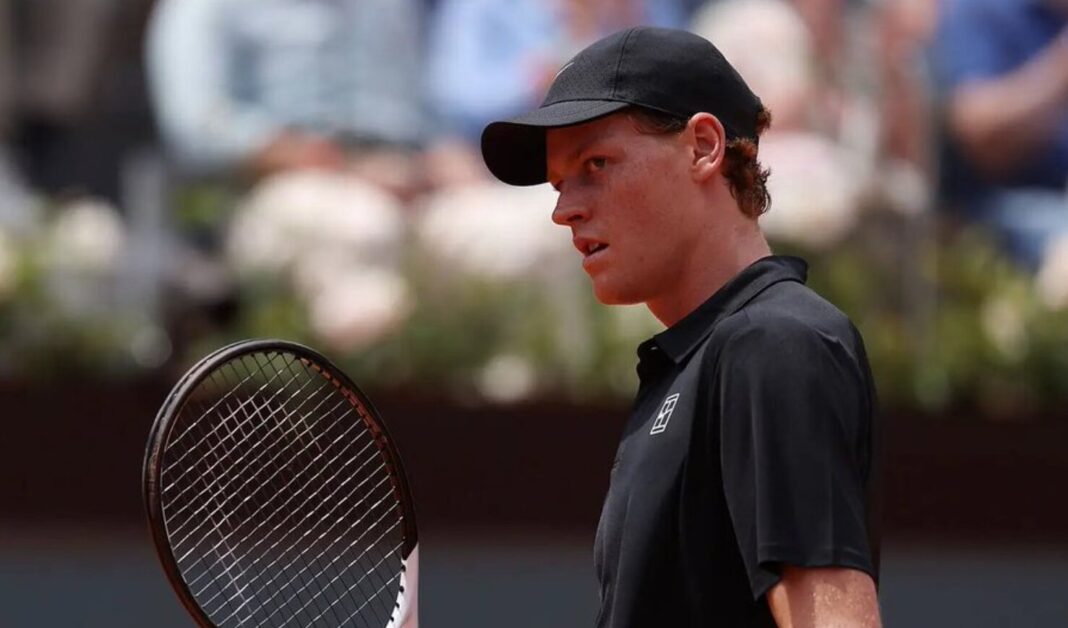
Jannik Sinner has spoken candidly about legacy, reputation, and public perception exactly one year after completing the doping suspension that became one of the most controversial chapters of his career.
In an emotional and reflective interview, the Italian star revealed that beyond trophies, rankings, or Grand Slam success, the one thing he hopes people remember about him is fairness.
“I want people to think that I was fair,” Sinner said while discussing how he hopes history will view both his tennis career and his character away from the court.
The comment immediately reignited conversation across the tennis world, not only because of the lingering shadow cast by the ban itself, but because of how deeply personal the issue still appears to remain for the former world No. 1.
For Sinner, this was not simply another athlete giving polished answers about legacy.
It sounded far more human than that.
A Controversy That Changed Everything
Even now, the doping case continues dividing opinion across tennis.
Some supporters fully accepted the explanations and circumstances surrounding the suspension, believing Sinner paid the price and deserved the opportunity to move forward. Others remain skeptical, arguing that reputational scars from doping allegations never fully disappear regardless of legal outcomes.
That tension has followed him throughout the past year.
Every tournament appearance, every title run, and every public interview has carried an unavoidable undercurrent tied to the controversy. In many ways, Sinner has spent the past twelve months competing not only against opponents, but against public perception itself.
That is what makes his latest comments particularly revealing.
Rather than focusing on redemption narratives or defending himself aggressively, Sinner spoke about fairness and how he hopes people interpret his intentions and integrity once his career is eventually viewed in full.
The choice of words felt deliberate.
Tennis Career Overshadowed by One Chapter
Before the suspension, Sinner’s rise had largely been celebrated as one of the sport’s most exciting modern success stories.
His explosive baseline power, calm temperament, and rapid development turned him into one of the faces of tennis’ next generation. Many expected him to dominate the post-Big Three era for years.
Then everything changed.
The ban altered the conversation surrounding him almost overnight. Instead of discussing forehands and tactical growth, headlines shifted toward legal details, anti-doping procedures, and reputational damage.
For elite athletes, that transition can become emotionally devastating.
Because regardless of future results, controversy often becomes permanently attached to identity in professional sport. Sinner appears acutely aware of that reality.
His latest remarks suggest a player who understands that public memory can sometimes focus more heavily on controversy than achievement.
“Fair” May Be the Most Important Word
The most striking aspect of Sinner’s comments was how simple they sounded.
Not greatness.
Not dominance.
Not records.
Fairness.
That word alone revealed the emotional weight the past year likely placed on him personally. Athletes at the highest level spend entire careers building credibility and trust, and doping allegations immediately place both under scrutiny regardless of context.
Sinner’s statement felt like someone attempting to reclaim something deeper than reputation.
Trust.
Whether fans ultimately embrace that perspective remains complicated. Public opinion around doping cases rarely becomes unanimous, especially in individual sports like tennis where player identity carries enormous importance.
Still, the honesty in his comments resonated strongly with many supporters online.
Sinner Trying to Move Forward Through Tennis
While debates around the suspension continue, Sinner’s performances on court over the past year have shown remarkable resilience.
Rather than disappearing emotionally after the controversy, he continued competing at elite level and remained among the sport’s most dangerous players. That consistency helped stabilize parts of his public image, even if complete separation from the controversy remains impossible.
Tennis has often become his loudest response.
Victories, discipline, and professionalism on court have gradually shifted conversations back toward his actual game rather than solely the suspension. Yet moments like this interview reveal the psychological burden likely still exists beneath the surface.
Athletes rarely escape these experiences emotionally as quickly as public attention moves on.
Legacy Conversations Already Beginning
What makes this situation especially fascinating is how early legacy discussions have already started surrounding Sinner.
Normally, athletes speak openly about how they want to be remembered near retirement. For Sinner, those questions arrived much earlier because the controversy accelerated conversations about identity, ethics, and career narrative long before his playing days are close to ending.
That reality can be difficult to navigate.
Every future achievement now exists alongside the broader debate surrounding his career story. Grand Slam victories, rankings, and records may eventually coexist with continued arguments about the suspension period.
Sinner appears aware of that complexity.
The Tennis World May Never Fully Agree
Perhaps the clearest reality after his latest comments is this: public opinion around Jannik Sinner will likely remain divided for years.
Some fans will remember the controversy first. Others will focus on his talent, resilience, and growth afterward. Many will continue debating the fairness of both the suspension and the criticism that followed.
That is often how modern sport works.
Legacies become layered rather than simple.
Still, Sinner’s comments offered a rare glimpse into how personally athletes experience these moments beyond headlines and legal rulings. Beneath the rankings, titles, and scrutiny sits a player who still cares deeply about how people interpret his character.
And one year after the suspension ended, that appears to matter to him more than anything else.

