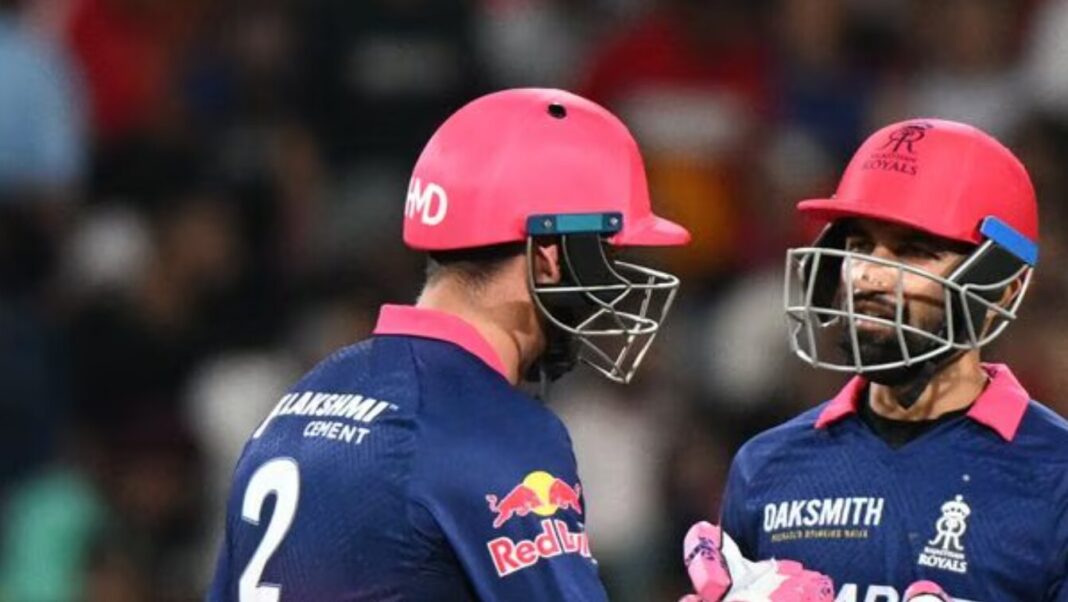
Jaipur: In one of the most searched and talked-about matches of the Indian Premier League 2026, Rajasthan Royals produced a stunning run chase to defeat Punjab Kings, successfully chasing down a massive target of 222 with six wickets in hand.
With fans actively searching for the Punjab Kings vs Rajasthan Royals match scorecard, the contest delivered exactly what modern T20 cricket promises—big hits, fearless batting, and a chase that redefined pressure handling.
Punjab Kings Post 222/4: A Strong but Not Safe Total
Batting first, Punjab Kings put up an imposing total of 222/4, a score that would traditionally be considered match-winning. Their innings was built on aggressive stroke play and smart partnerships, with the middle order ensuring momentum never dipped.
The team capitalized on good batting conditions and took advantage of Rajasthan’s bowling in patches. However, despite crossing the 220 mark, there were moments where Punjab could have pushed further, especially in the final overs where execution wasn’t at its sharpest.
In today’s IPL, totals above 200 are no longer guarantees—they are challenges waiting to be tested.
Rajasthan Royals’ Chase: Powerplay Set the Tone
The chase began with intent, and Rajasthan Royals made their approach clear from the first over itself. The foundation was laid in the powerplay, where early aggression shifted the pressure back onto Punjab Kings.
Young sensation Vaibhav Suryavanshi once again proved why he is one of the breakout stars this season. His explosive start ensured Rajasthan stayed ahead of the required run rate, forcing Punjab to rethink their bowling strategy early.
This is where the match truly turned. In high chases, the first six overs often decide whether a team survives or dominates—and Rajasthan chose dominance.
Middle Order Finishes the Job
After the strong start, the middle order ensured there were no setbacks. Donovan Ferreira played a crucial finishing role with a composed yet aggressive unbeaten half-century, guiding the team through the final phase of the chase.
He was well supported by Shubham Dubey, whose quick cameo added the finishing touch. Together, they ensured Rajasthan Royals reached 228/4 in just 19.2 overs, completing one of the most impressive chases of IPL 2026.
Their approach highlighted a key shift in T20 cricket—finishing is no longer about survival, it’s about controlled aggression.
Why Punjab Kings Fell Short
Despite putting up 222, Punjab Kings couldn’t defend the total, and the reasons go beyond just numbers:
- Powerplay Pressure: Rajasthan’s aggressive start meant Punjab were always chasing control rather than dictating the game.
- Death Bowling Concerns: Execution in the final overs lacked precision, allowing Rajasthan to accelerate when it mattered most.
- Lack of Breakthroughs: Punjab failed to pick wickets at regular intervals, which is crucial when defending big totals.
In modern IPL conditions, especially on batting-friendly pitches, teams need more than just runs—they need discipline with the ball.
Bigger Picture: Changing Nature of IPL Cricket
This match is another example of how the IPL has evolved. Totals once considered “safe” are now being chased down with confidence. Flat pitches, fearless young players, and innovative shot-making have shifted the balance heavily in favor of batters.
For Rajasthan Royals, this win strengthens their position as a serious contender this season. Their batting depth and clarity in chasing targets make them one of the most dangerous teams in the tournament.
For Punjab Kings, the loss raises important questions about their bowling strategy and ability to defend under pressure.
Conclusion
The Punjab Kings vs Rajasthan Royals match scorecard will be remembered not just for the numbers, but for what it represents—a new era of T20 cricket where no total feels out of reach.
Rajasthan Royals showcased how planning, aggression, and composure can combine to chase down even the most daunting targets, while Punjab Kings were left searching for answers despite posting a formidable score.
As IPL 2026 continues, matches like these are redefining expectations—and keeping fans hooked like never before.

