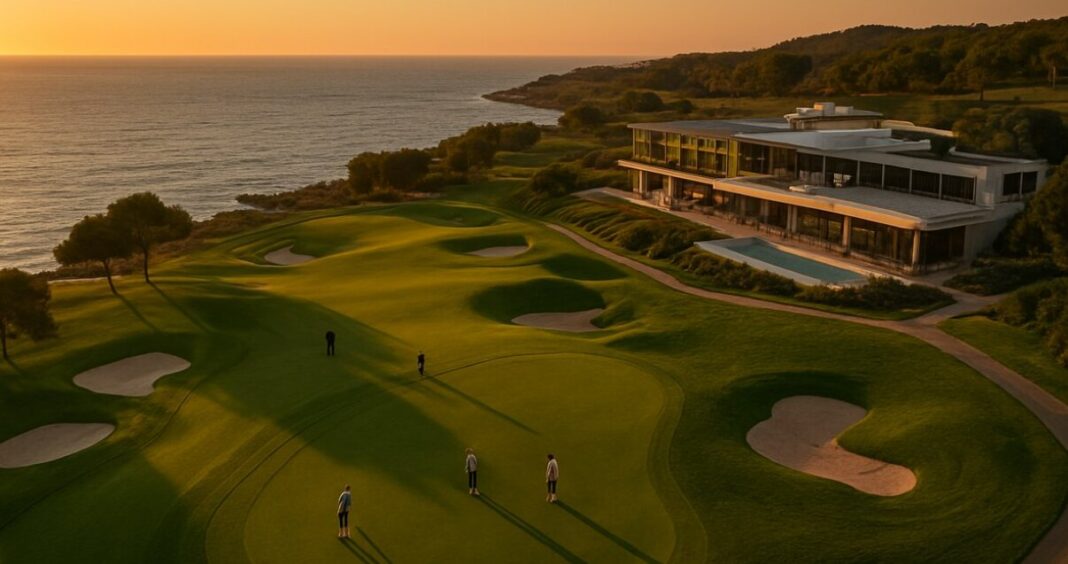
Europe’s golf tourism industry is witnessing a remarkable surge in 2026, with Spain and Portugal emerging as the epicenters of a rapidly expanding high-end travel market. Once considered a niche segment, golf-focused tourism has evolved into a major economic driver, bringing in unprecedented visitor numbers and billions in revenue across key coastal regions.
From the sun-soaked Mediterranean shores of southern Spain to Portugal’s Atlantic-facing Algarve, championship golf courses and luxury resorts are no longer just lifestyle attractions—they are now central to regional economic strategies. Destinations that once relied heavily on seasonal beach tourism are increasingly repositioning themselves as year-round premium travel hubs, with golf playing a pivotal role in that transformation.
The appeal is clear. International travelers seeking golf experiences tend to stay longer, often extending their trips by several days compared to traditional holidaymakers. More importantly, they spend significantly more, not just on green fees but on high-end accommodations, fine dining, wellness services, and curated leisure experiences. This shift in tourist behavior is proving invaluable for local economies aiming to maximize revenue per visitor rather than simply increasing footfall.
In Spain, regions such as Costa del Sol have long been associated with world-class golfing infrastructure, but 2026 has seen demand reach new heights. Luxury resorts are reporting near-full occupancy during peak seasons, while off-season travel is also gaining traction thanks to favorable weather and strategic marketing. Similarly, Portugal’s Algarve region has strengthened its reputation as one of Europe’s premier golf destinations, attracting affluent travelers from across the UK, North America, and northern Europe.
The economic impact of this boom is far-reaching. Beyond hospitality, the ripple effects are being felt in real estate, transport, and local employment. Property developments centered around golf communities are expanding, while airports and regional connectivity are being upgraded to accommodate rising international traffic. Governments and tourism boards are increasingly investing in infrastructure to support this sustained growth, recognizing golf tourism as a long-term economic pillar.
What sets this trend apart is the changing profile of the modern traveler. Golf tourists are no longer limited to retirees or elite players. A younger, more experience-driven demographic is entering the market, seeking a blend of sport, leisure, and luxury. This has prompted resorts to diversify their offerings, integrating wellness retreats, cultural excursions, and gourmet experiences alongside traditional golfing packages.
Marketing strategies have also evolved in response. Rather than promoting destinations solely for their natural beauty or beaches, tourism campaigns are now centered around curated experiences—combining championship courses with luxury stays and exclusive services. The narrative has shifted from simple vacations to immersive lifestyle experiences, with golf at the core.
However, this rapid expansion is not without challenges. Environmental concerns, particularly around water usage and land development, are becoming increasingly prominent. As demand grows, so does the pressure on destinations to balance sustainability with commercial ambition. Both Spain and Portugal are exploring eco-friendly course management and sustainable tourism practices to ensure long-term viability.
Despite these challenges, the trajectory remains overwhelmingly positive. The convergence of luxury travel, experiential tourism, and sporting excellence has created a powerful growth engine that is reshaping Europe’s tourism landscape. Golf is no longer just a sport within this ecosystem—it is a catalyst for economic transformation.
As 2026 unfolds, Spain and Portugal stand at the forefront of this evolution, setting benchmarks for how destinations can leverage niche tourism into a mainstream economic success story. With continued investment, innovation, and strategic positioning, Europe’s golf tourism sector appears poised to sustain its upward momentum for years to come.

