Few results in international cricket generate widespread shock quite like a series defeat involving India. But losing a two-match T20I series 2-0 to Ireland has done more than produce an unexpected headline. It has triggered a wave of introspection around one of the world’s most successful cricketing nations.
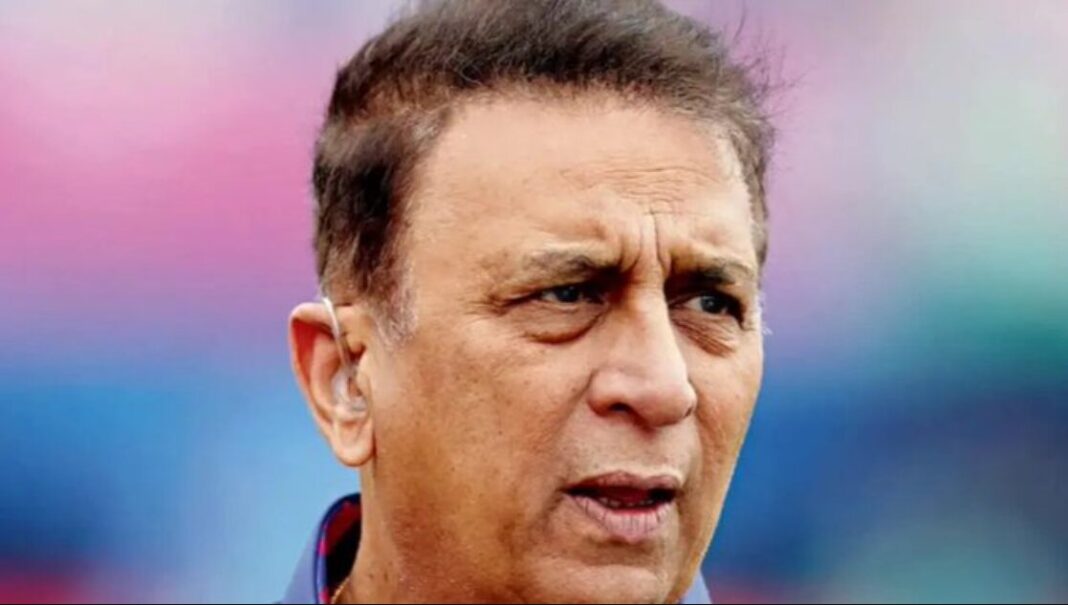
Led by captain Shreyas Iyer and coached by Gautam Gambhir, India failed to win a single game in the short series, allowing Ireland to complete a memorable clean sweep. The result has already drawn strong reactions from former players and experts, with Indian batting legend Sunil Gavaskar describing the defeat as “one of the lowest points in Indian cricket history.”
Those are powerful words coming from one of the game’s most respected voices, and they underline just how significant this result could become if India fail to respond quickly.
Ireland Create a Landmark Moment
For Irish cricket, the series victory represents one of the finest achievements in the country’s history.
Ireland have spent years earning respect on the international stage through spirited performances against established cricketing powers. Famous victories over major nations have demonstrated their potential, but defeating India in an entire bilateral series elevates that progress to another level.
Winning a single T20I against India is an accomplishment.
Winning both matches against a side blessed with world-class talent is something that will be remembered as a defining chapter in Irish cricket.
The performances reflected discipline, confidence, and an ability to handle pressure against opponents who entered the series as overwhelming favorites.
Rather than relying on individual brilliance alone, Ireland consistently outplayed India in the moments that mattered most, showing greater composure during pressure situations and capitalizing on mistakes made by the visitors.
India’s Performance Raises Difficult Questions
The result will inevitably lead to renewed scrutiny of India’s white-ball setup.
On paper, the squad possessed considerably more international experience and depth than their opponents. Yet over the course of the two matches, those advantages rarely translated into dominance on the field.
India struggled to establish momentum with either bat or ball.
The batting unit, expected to provide stability and explosive finishing, failed to produce the commanding performances supporters have come to expect. Partnerships proved difficult to build, while periods of pressure often resulted in unnecessary wickets rather than calculated recovery.
The bowling attack also found itself under sustained pressure.
Instead of consistently controlling the scoring rate, India allowed Ireland to dictate important phases of both matches. Modern T20 cricket often swings on a handful of overs, and Ireland repeatedly emerged stronger during those decisive moments.
More concerning than the defeats themselves was the absence of sustained control.
At no stage did India appear capable of completely imposing themselves on the contest, an unusual sight for a team that has traditionally dominated bilateral T20 series against emerging cricket nations.
Leadership Under the Spotlight
Whenever India experience disappointing results, attention naturally shifts toward leadership.
Captain Shreyas Iyer now finds himself facing questions about decision-making, tactical planning, and the team’s ability to recover when momentum begins slipping away.
Captaining India brings unique challenges.
Every tactical choice is examined, every field placement debated, and every bowling change analyzed in extraordinary detail. While one short series cannot define a captain, defeats of this magnitude inevitably increase the pressure.
Coach Gautam Gambhir also finds himself under renewed scrutiny.
Known throughout his playing career for his uncompromising standards and competitive mentality, Gambhir arrived with expectations of building a fearless and disciplined Indian side capable of thriving in high-pressure situations.
Instead, the Ireland series has exposed areas requiring immediate attention.
Whether those involve tactical adjustments, squad selection, or mental preparation will likely become the focus of internal reviews in the coming weeks.
Gavaskar’s Strong Assessment Reflects the Magnitude of the Result
Sunil Gavaskar has rarely been known for making dramatic statements without reason.
His description of the series defeat as one of the lowest points in Indian cricket history reflects the scale of expectation attached to the national team rather than diminishing Ireland’s achievement.
India possess one of the deepest talent pools in world cricket.
The country’s domestic structure consistently produces international-quality players, while the experience gained through global tournaments and franchise competitions has created extraordinary squad depth.
Against that backdrop, losing both matches to Ireland naturally becomes a result that attracts intense criticism.
Gavaskar’s remarks are likely to resonate because they echo the disappointment many supporters are feeling after witnessing India fall short against opponents they were widely expected to overcome.
Why This Series Matters Beyond Two Matches
Short bilateral series are sometimes dismissed as isolated setbacks.
However, performances like these often reveal deeper trends.
The modern international calendar leaves little room for complacency. Teams once viewed as outsiders continue improving through increased investment, professional coaching, and greater exposure to elite competition.
Ireland’s success illustrates exactly how competitive international cricket has become.
For India, the series serves as a reminder that reputation alone guarantees nothing once players step onto the field.
The margins separating victory and defeat continue shrinking, particularly in T20 cricket, where momentum can change dramatically within a few overs.
That reality demands constant adaptation.
Established powers can no longer rely solely on superior resources or historical success. Every series requires complete focus, tactical precision, and consistent execution.
Lessons India Must Learn
While criticism will dominate headlines, India’s response will ultimately determine whether this defeat becomes a temporary setback or a warning sign of larger issues.
Strong teams are rarely defined by avoiding defeats altogether.
Instead, they are judged by how effectively they respond after unexpected disappointments.
India’s management will likely examine several aspects of the series, including batting approach, bowling strategies, fielding standards, and leadership under pressure. Small improvements across each area could quickly restore confidence before future international assignments.
The players themselves will also understand that representing India carries immense responsibility.
Supporters expect not only victories but performances that reflect the country’s status as one of cricket’s leading nations.
Looking Ahead
For Ireland, this series victory will stand as proof that their steady rise in international cricket is producing tangible results against the sport’s elite.
For India, the conversations will be far more uncomfortable.
A 2-0 defeat in a two-match T20I series is never easy to accept, particularly for a team expected to challenge for every major trophy. Sunil Gavaskar’s criticism has ensured the result will not simply fade into the background. Instead, it has become a moment of reflection for players, coaches, and administrators alike.
Whether this series is remembered as an isolated stumble or the catalyst for meaningful change now depends entirely on how India respond. One disappointing series does not erase years of excellence, but it does reinforce a timeless lesson in international sport: reputation must be earned every time a team walks onto the field.

