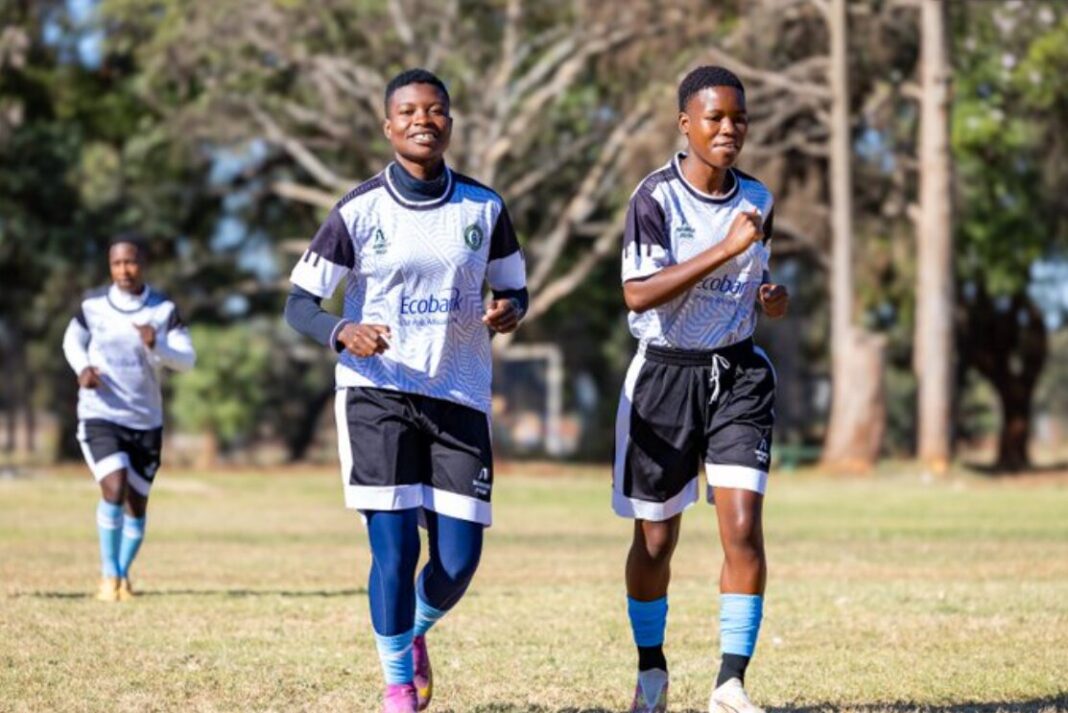
When the Mighty Warriors step onto the pitch in Zambia on June 6, the immediate focus will naturally center on the scoreboard. In the short term, regional bragging rights and tournament silverware are always enticing prizes. Yet, for the technical staff and the players assembling in the final days of their intense preparation camp, this trip across the border carries a far more profound weight. This tournament is the official opening chapter of a calculated, multi-year blueprint designed to return Zimbabwean women’s football to the grandest stage of them all: the 2028 Olympic Games in Los Angeles.
The significance of this moment cannot be overstated. For too long, women’s football programs across the continent have suffered from the curse of short-term planning, with teams assembled hastily on the eve of major qualifiers only to fall short due to a lack of chemistry and match fitness. By initiating their tactical build-up more than two years ahead of the definitive Olympic qualifying rounds, Zimbabwe is signaling a drastic cultural shift. They are no longer content with just participating. They are building an engine capable of sustained excellence.
As the squad puts the finishing touches on their tactical drills and physical conditioning this week, there is an unmistakable sense of purpose in the air. The players understand that every training session, every defensive rotation, and every minute logged in international matches over the coming weeks will serve as the foundation for their ultimate dream.
Testing Mettle in the Four Nations Crucible
The invitational tournament in Zambia provides the perfect laboratory for head coach Sithethelelwe Sibanda to assess her tactical combinations. Facing host nation Zambia, alongside competitive African peers like Kenya and Lesotho, ensures that the Mighty Warriors will not be afforded an easy introduction to the international window. Zambia has rapidly ascended to become one of the premier heavyweights of African women’s football, and matching their physical and technical intensity is exactly the kind of trial by fire this young Zimbabwean squad requires.
The format of the tournament demands immediate focus. With the opening fixtures scheduled to kick off on June 6, the luxury of slowly playing into form does not exist. Zimbabwe’s technical team has focused heavily on structural discipline during their camp, emphasizing a compact defensive block and rapid transitions.
This regional showcase is less about the final destination and more about evaluating who can handle the psychological pressure of the international stage. Sibanda has deliberately assembled a roster that blends veteran experience with emerging youth academy prospects, creating a competitive internal environment where no starting spot is guaranteed. The goal is to cultivate a deep pool of tournament-hardened athletes who will be at the peak of their athletic powers when the definitive Olympic qualifiers arrive.
The Core Foundations: Tactical Chemistry and Leadership
To build a team capable of navigating the brutal gauntlet of African Olympic qualification, a manager must find the perfect equilibrium between structural rigidity and creative freedom. During the current training camp, the tactical emphasis has been entirely on building partnerships across the pitch. The central defensive pairings are being tested under high-pressure simulation drills, while the midfield contingent is working on vertical progression to unlock stubborn low blocks.
The return of veteran leadership to the camp has injected an added layer of steel into the roster. The arrival of captain Emmaculate Musipa, providing her invaluable overseas experience, has transformed the training pitch into a masterclass for the younger players. Leadership in these developmental phases is crucial. When a team is transitioning from a defensive posture to an expansive, possession-based style, mistakes are inevitable. Having senior figures who can steady the ship and maintain composure prevents structural collapses during difficult phases of play.
Tactically, the Mighty Warriors are moving away from the reactive, long-ball philosophies of the past. The training sessions indicate a desire to control the tempo of matches through short, rhythmic passing sequences in the middle third, utilizing the explosive pace of forward options on the flanks. This stylistic evolution requires immense physical conditioning, which explains the grueling double sessions the team has endured leading up to their departure for Zambia.
Why the 2028 Runway Matters
The road to the Olympic Games is widely considered the most difficult qualification path in international football. Unlike the World Cup, which has expanded its field to allow greater global representation, the Olympic tournament remains an ultra-exclusive twelve-team showcase. For the African continent, only two precious slots are typically available, meaning Zimbabwe will eventually have to dethrone established global giants to book their tickets to Southern California.
This is precisely why a tournament in June 2026 matters so intensely. The technical committee understands that you cannot build a team capable of defeating world-class opposition in a three-week training camp. It requires hundreds of shared international minutes, deep systemic familiarity, and the emotional resilience that can only be forged through collective adversity.
By committing to a long-term developmental cycle, the football association is attempting to recreate the magic that saw the nation qualify for the 2016 Rio Olympics. That historic achievement remains the high-water mark for local women’s sports, proving that when provided with adequate resources and structured preparation, Zimbabwean athletes can compete with anyone on the planet. The class of 2028 is chasing that legacy, using the memories of Rio not as a distant museum piece, but as an active baseline for their current ambitions.
The Long-Term Forecast
When the dust settles on the tournament in Zambia, the technical staff will possess a treasure trove of data. Win or lose, the matches will expose the mechanical flaws in the current system, providing a clear diagnostic map for the next phase of development. If the midfield struggles to retain possession under the inevitable Zambian press, or if the defensive line shows vulnerability on set pieces, Sibanda and her staff will have ample time to correct those deficiencies before the stakes become terminal.
The journey ahead will undoubtedly feature periods of turbulence. Rebuilding a national program requires patience from the fans, the media, and the administrators alike. There will be afternoons where the tactical adjustments do not click, and there will be matches where youthful inexperience results in dropped results.
However, the structural commitment to the 2028 Los Angeles qualifiers ensures that these bumps in the road are viewed as necessary learning experiences rather than existential crises. The Mighty Warriors are finally treating international football with the long-term seriousness it demands. As they pack their bags for Zambia, they carry the hopes of a nation that is ready to fall in love with its football team all over again, confident that the foundation being laid this June will eventually support a historic monument of success on the global stage.

