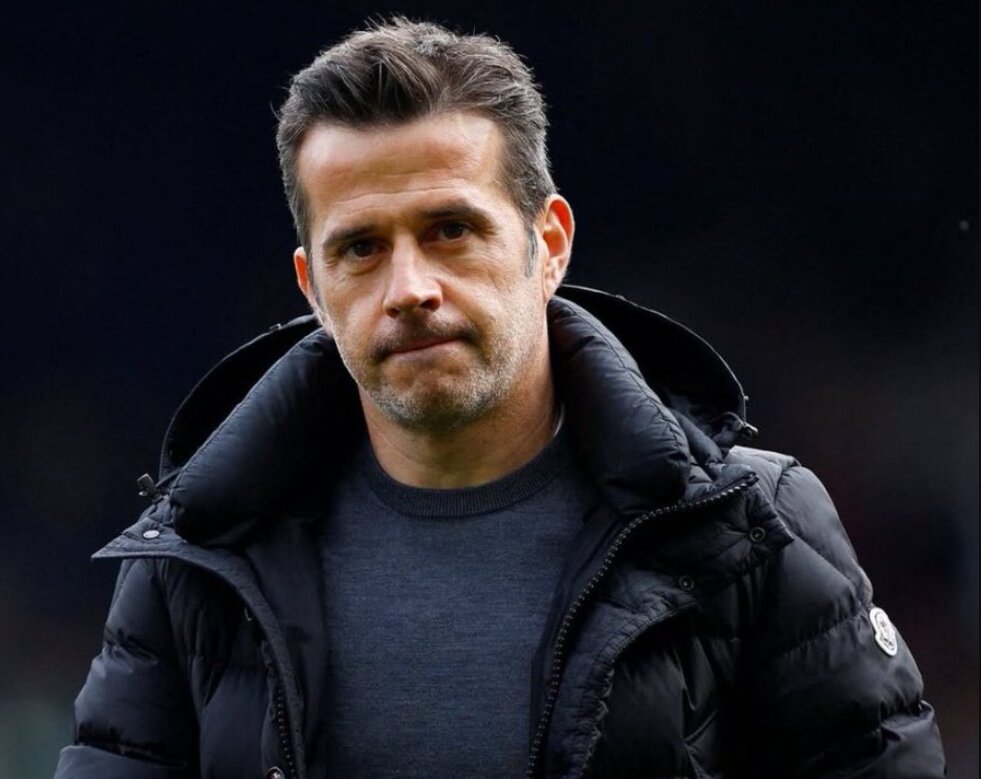
A new chapter appears to be taking shape at Benfica, with the Portuguese giants now closing in on the appointment of Marco Silva as their next head coach following the departure of José Mourinho.
Negotiations are understood to be in their final stages, with Silva ready to accept the position as Benfica push toward completing one of the most significant managerial changes in Portuguese football this summer. Reports from The Telegraph and Récord indicate that an agreement is now close, leaving only the final details before an official announcement can be made.
For Benfica, the move signals a clear shift in direction.
Mourinho’s arrival had brought global attention and immense expectations, with supporters hoping one of football’s most decorated managers could deliver another memorable era at the Estádio da Luz. While his tenure generated headlines and maintained Benfica’s status as a major force domestically, the club’s leadership now appears ready to place its future in the hands of a coach known for progressive football, tactical flexibility, and long-term development.
Silva’s reputation has steadily grown over the past decade. From his breakthrough work in Portugal to successful spells abroad, he has built a profile as a manager capable of improving teams through structure, intelligent pressing, and attacking football. His ability to develop younger players while maintaining competitive standards has made him one of the most respected Portuguese coaches of his generation.
That combination is likely to have appealed strongly to Benfica’s hierarchy.
The Lisbon club has long balanced two priorities: competing for major honors while continuing to develop talent that can thrive at the highest level of European football. Silva’s track record suggests he fits naturally into that philosophy.
Tactically, his arrival could bring noticeable changes. Teams coached by Silva are typically organized in possession, aggressive when recovering the ball, and willing to take initiative rather than simply react to opponents. His sides often prioritize fluid attacking movements and positional discipline, creating a style that supporters generally embrace.
The challenge, however, will be considerable.
Replacing Mourinho is never straightforward. Few managers in modern football carry a bigger personality or command greater attention. Any successor will immediately face comparisons, particularly if results fluctuate during the early months of the season.
Yet Silva enters the situation with advantages of his own. He understands Portuguese football, knows the expectations surrounding Benfica, and arrives at a point in his career where he appears ready for one of the most demanding jobs in the country.
For supporters, the potential appointment represents both excitement and curiosity. Benfica remain under constant pressure to challenge for league titles, compete strongly in Europe, and maintain their reputation as one of Portugal’s premier institutions. The next coach will be expected to deliver all three.
With negotiations now approaching completion, attention is increasingly shifting from whether the deal will happen to what Silva’s Benfica will look like once it takes the field.
If the final agreements are completed as expected, one of Portugal’s most sought-after managers will soon be handed the responsibility of leading one of its biggest clubs into a new era. The post-Mourinho transition appears to be underway, and Benfica believe Marco Silva is the man to guide it.

