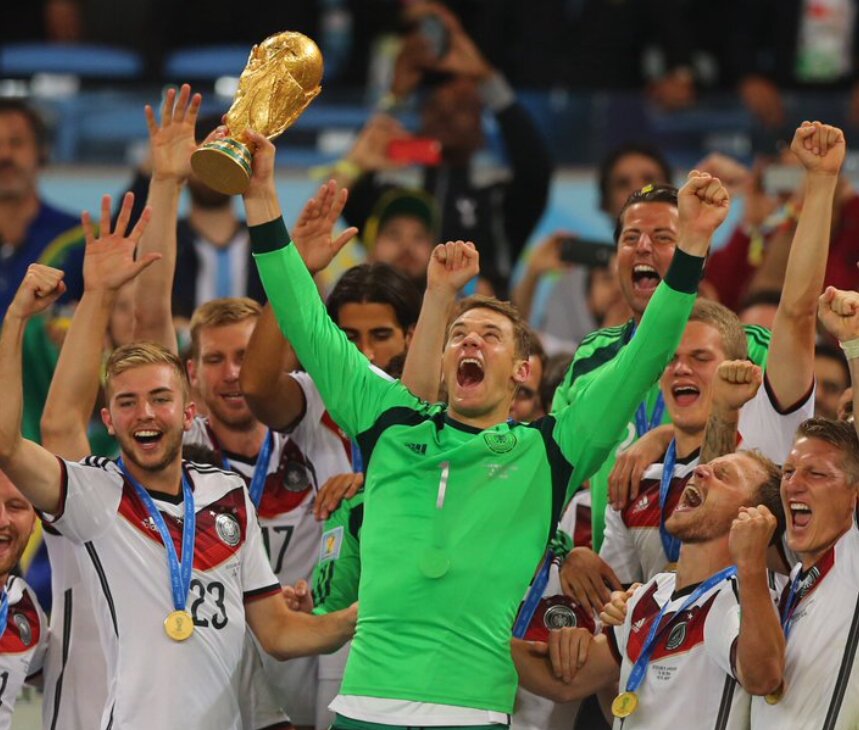
Julian Nagelsmann has made his biggest statement before Germany have even kicked a ball at the 2026 World Cup.
By naming Manuel Neuer in his 26-man squad, the Germany coach has brought experience, authority, and a sudden surge of debate back into the national team picture. The veteran goalkeeper’s unexpected comeback headlines a squad built on an intriguing balance: proven leaders, elite young creators, and a renewed belief that Germany can finally move beyond the disappointments that have followed them in recent major tournaments.
Neuer’s inclusion is the emotional headline. Marc-Andre ter Stegen’s absence is the shockwave beneath it.
For years, the Barcelona goalkeeper waited for his moment with Germany, often standing behind Neuer during an era defined by one of the greatest goalkeepers the game has seen. Now, on the eve of another World Cup campaign, Ter Stegen has been left out, while Neuer returns alongside Oliver Baumann and Alexander Nubel.
It is a ruthless call from Nagelsmann, but also a revealing one. Germany are not treating this tournament as a sentimental reset. They are trying to win now, and the coach has clearly chosen the players he believes can handle the pressure of a World Cup under intense scrutiny.
Neuer’s Return Changes the Mood Around Germany
Neuer’s comeback instantly changes the emotional temperature of the squad.
At his peak, he did not simply play in goal. He changed how goalkeeping was understood. His command of space, confidence with the ball, sweeping outside the box, and presence in major matches gave Germany a tactical weapon few nations could match.
Even now, his return brings more than saves.
It brings memory. It brings authority. It brings a dressing-room figure who knows what World Cup pressure feels like from the inside. For a squad that includes some of Europe’s most gifted young players, that kind of leadership can matter as much as form.
Germany have talent, but talent alone has not been their issue in recent years. Their problem has often been control under pressure, defensive trust, and the ability to turn dominance into tournament consistency. Neuer’s presence gives Nagelsmann a voice at the back who has lived through every kind of football storm.
Still, the decision carries risk.
Leaving out Ter Stegen, especially after his standing at Barcelona, will naturally create debate. It suggests Nagelsmann values Neuer’s tournament experience and personality over the continuity that Ter Stegen might have offered. It also places huge responsibility on Neuer. If Germany go deep, the decision will be praised as bold and inspired. If the campaign breaks apart, this call will be one of the first decisions questioned.
That is the reality of elite international football.
Big calls make reputations.
A Squad Built Between Past and Future
Germany’s squad is not simply about Neuer. It is about the blend around him.
Antonio Rudiger and Joshua Kimmich bring the competitive edge and elite experience that every serious World Cup side needs. Rudiger gives Germany aggression, defensive presence, and personality at centre-back. Kimmich remains one of the country’s most important tactical pieces, a player capable of influencing matches through passing range, leadership, and positional intelligence.
They are the stabilizers.
Then comes the thrilling part of this squad: Jamal Musiala, Florian Wirtz, and Kai Havertz.
Musiala and Wirtz give Germany creativity that can break compact defenses in different ways. Musiala is all balance, close control, and sudden change of direction. He can receive in crowded areas and turn pressure into panic. Wirtz offers timing, vision, and a smoother rhythm between midfield and attack. He sees passes early and can shift the tempo of a game with one touch.
Together, they give Germany something every World Cup contender needs: unpredictability.
For too long, Germany have sometimes looked structured without being sharp, organized without being devastating. Musiala and Wirtz can change that. They can turn possession into danger. They can make opponents defend uncomfortable spaces. They can create chances when tactical patterns become too predictable.
That is where Havertz becomes central.
Nagelsmann’s Faith in Havertz as No. 9
Nagelsmann’s praise of Kai Havertz as the ideal No. 9 striker is one of the most interesting clues about how Germany may approach this tournament.
Havertz is not a traditional penalty-box forward in the old German mould. He does not live only for crosses, physical duels, and tap-ins. His game is more fluid. He drops between lines, connects play, presses intelligently, and creates space for runners around him.
That can frustrate fans who want a clear reference point in attack, but it also fits the modern game.
With Musiala and Wirtz operating nearby, Havertz’s movement could become extremely valuable. When he drops deep, defenders have to decide whether to follow him or hold their line. If they step out, Germany’s creative players can attack the space behind. If they stay back, Havertz can combine and help Germany control central areas.
It is a tactical choice that says a lot about Nagelsmann’s vision.
He does not appear to be building a side around one classic goal-scorer. He is building an attack around movement, intelligence, pressing, and technical flexibility. Havertz may not always satisfy those who judge strikers only by shot volume, but he gives Germany a structure that can make the players around him better.
In tournament football, that can be priceless.
Curacao Opener Gives Germany a Chance to Set the Tone
Germany begin their World Cup campaign against Curacao on June 14 in Houston, a match that will carry more pressure than the fixture list might suggest.
Opening games are about rhythm, confidence, and message. For Germany, this opener is also about proving that the rebuild has substance. After recent disappointments, supporters will want more than possession and promise. They will want authority.
A strong start would allow Nagelsmann’s side to settle quickly into the tournament. It would give the younger players confidence, reduce external pressure, and validate some of the bold selection decisions that have already sparked conversation.
A slow or nervous performance, however, would invite immediate scrutiny.
That is the burden Germany carry. Their history gives them status, but it also leaves no room for excuses. Every World Cup squad is measured against the country’s own demanding standards.
Why This Squad Matters
Nagelsmann’s 26-man list feels like an attempt to reconnect Germany with what once made them so dangerous: discipline, elite mentality, technical quality, and tournament intelligence.
The difference now is the youthful spark.
Musiala and Wirtz give this team imagination. Havertz gives it tactical flexibility. Kimmich and Rudiger give it edge. Neuer gives it history and command. Baumann and Nubel offer depth in a goalkeeping group shaped by one huge omission.
The Ter Stegen decision will dominate debate, and understandably so. But the bigger picture is clear. Nagelsmann is choosing conviction over compromise. He has picked a squad that reflects how he wants Germany to play, not just who carries the biggest club reputation.
That is how international managers live or fall.
This World Cup could become a turning point for Germany. After years of frustration and questions, they arrive with a squad that looks capable of blending old authority with new energy.
Neuer’s return may be the headline, but the real story is bigger than one player.
Germany are trying to look like Germany again: fearless, ruthless, technically sharp, and built for the pressure of summer football. On June 14 in Houston, the first answer arrives.

