The road to the 2026 World Cup has not only begun on the pitch. It has started in sound, rhythm, and culture.
With the release of “Goals,” FIFA Sound has delivered a track built for the modern World Cup era: loud, global, quick-moving, and designed to travel across stadiums, social feeds, dressing rooms, and fan zones. The song blends K-pop, Brazilian funk, and Afrobeats into one high-energy anthem, giving the expanded tournament a soundtrack that feels as international as the competition itself.
Produced with FIFA Sound and Tropkillaz, “Goals” arrives with the kind of pulse that instantly points toward summer football. It is not a quiet promotional song sitting in the background. It is direct, colorful, and made to be heard at full volume. From the beat selection to the visual language around the release, everything about it leans into the chaos and joy that defines a World Cup.
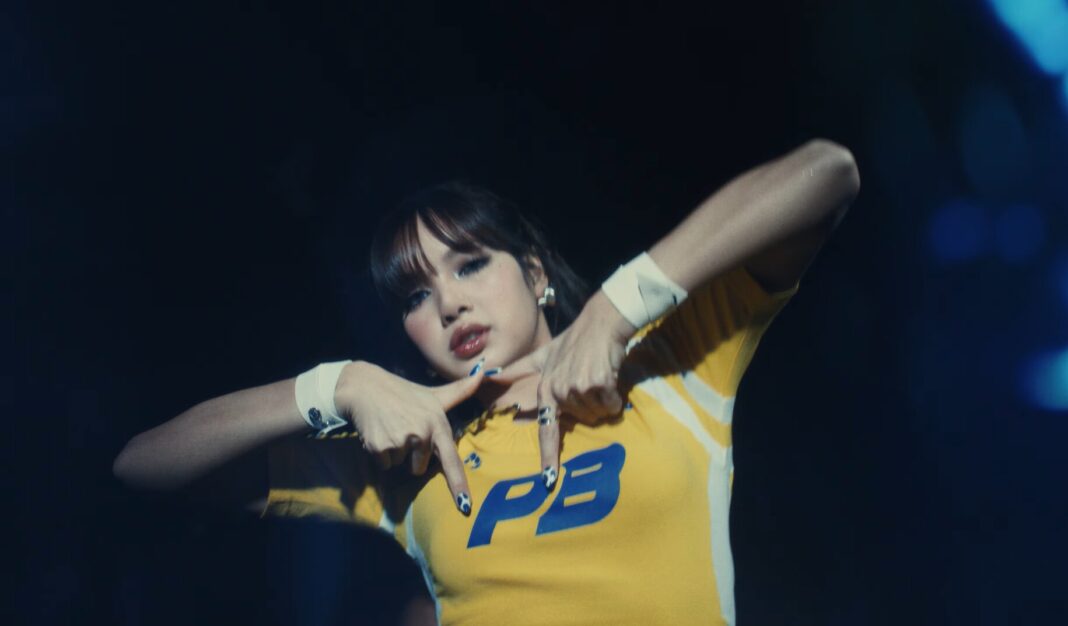
The visuals carry that same feeling. Chain-link fences, dancers, movement, and street-football energy help frame the track as more than just a polished tournament release. It feels closer to a celebration of football’s global roots, where the game lives in neighborhoods, small courts, late-night kickabouts, and crowded city corners long before it reaches a stadium.
That is why “Goals” has landed quickly with fans.
Almost immediately after its release, clips began circulating online, with supporters praising standout verses and replaying the most energetic parts of the track. Streams followed, and so did the early verdict: this sounds like a stadium-ready hit.
For FIFA, that matters.
A World Cup anthem does not succeed only because it is attached to the tournament. It has to feel like it belongs to the fans. It has to be easy to chant, easy to share, and big enough to survive the pressure of the occasion. “Goals” appears to understand that assignment.
A Soundtrack for the Expanded World Cup Era
The 2026 tournament will be unlike any World Cup before it.
For the first time, the competition will feature 48 teams, expanding the scale of the event and widening the emotional map of the tournament. More nations means more fanbases, more stories, more pressure, and more chances for new football cultures to step into the spotlight.
That wider global feeling is reflected in the track itself.
K-pop brings sharp pop energy and international reach. Brazilian funk adds street-level movement, rhythm, and edge. Afrobeats gives the song warmth, bounce, and a festival-like quality. Together, the mixture feels intentional. It is not tied to one football tradition. It is built around the idea that the World Cup is now a truly global stage where cultures collide and create something bigger than themselves.
That is also what makes “Goals” feel suited to this tournament in particular.
The 2026 World Cup will be hosted across the United States, Canada, and Mexico from June 11 to July 19. Three countries, multiple cities, and a larger field of teams demand a different kind of football anthem. It cannot sound narrow. It cannot feel locked into one market. It needs scale.
“Goals” reaches for that scale through rhythm rather than speeches.
Opening Ceremony Spotlight at SoFi Stadium
The track’s biggest early test will come on June 12, when the artists perform “Goals” live at the U.S. opening ceremony at SoFi Stadium in Los Angeles.
That performance will take place before the United States team opens its campaign against Paraguay, giving the song one of the most visible platforms of the tournament. Opening ceremonies carry a unique kind of pressure. They are part concert, part cultural statement, and part emotional ignition point for the competition ahead.
This one will come with added attention because of the lineup surrounding it.
The artists behind “Goals” will join Katy Perry, Future, and Tyla, creating a major entertainment moment before the football begins. On a night built for spectacle, the song will have the chance to move from streaming platforms into a live stadium environment, where its true strength will be tested.
Some tracks sound good online but lose power in a stadium.
“Goals” seems designed to avoid that problem.
The percussion, the hooks, and the multi-genre structure give it enough lift to work in a massive venue. More importantly, the song has the emotional simplicity a football anthem needs. It does not overcomplicate the feeling. It pushes toward celebration, ambition, and movement.
The title itself does plenty of work.
“Goals” is short, universal, and instantly connected to the sport. Every supporter understands the word. Every player lives for it. Every match turns on it.
Why the Fan Reaction Matters
The quick fan response shows how powerful music can be in shaping the atmosphere of a major tournament before a ball is kicked.
Supporters have already begun turning the track into short-form clips, sharing standout verses, and attaching the song to World Cup-style edits. That type of organic reaction matters because modern tournament culture is built as much online as inside stadiums.
Before fans arrive in Los Angeles, Toronto, Mexico City, or any other host city, they are already building the emotional tone of the tournament through videos, reactions, and shared moments.
“Goals” gives them something immediate to use.
It is energetic enough for hype videos, polished enough for official ceremonies, and rhythmically broad enough to connect across regions. That balance is difficult to achieve. Too commercial, and fans reject it. Too niche, and it struggles to carry the scale of the World Cup. This track sits closer to the middle: accessible, global, and built for movement.
That is why the stadium-ready label has followed it so quickly.
A Song Built for Football’s Biggest Summer
World Cup music carries a special responsibility. It becomes attached to memories that outlast the tournament itself.
Fans remember where they were when certain songs played. They remember goals, celebrations, heartbreaks, flags, crowded rooms, late nights, and entire summers through sound. A strong anthem does not just promote the event. It becomes part of its emotional archive.
“Goals” now has the chance to do that for 2026.
The tournament will bring together 48 teams across three host nations, creating the largest World Cup stage football has ever seen. The pressure, the travel, the cultural mix, and the sheer number of stories will make this edition feel different from the start.
A track blending K-pop, Brazilian funk, and Afrobeats feels like a fitting entrance point.
It captures the idea of a World Cup that is bigger, louder, and more connected than before. It reflects the way football now moves across borders through music, fashion, dance, and digital culture. And with its upcoming live debut at SoFi Stadium, “Goals” is set to become one of the early defining sounds of the tournament.
Before the U.S. team faces Paraguay, before the first major shock, before the first late winner and the first unforgettable celebration, the noise will begin with music.
And if early fan reaction is any sign, “Goals” may already have found its place in the soundtrack of football’s biggest summer.

